

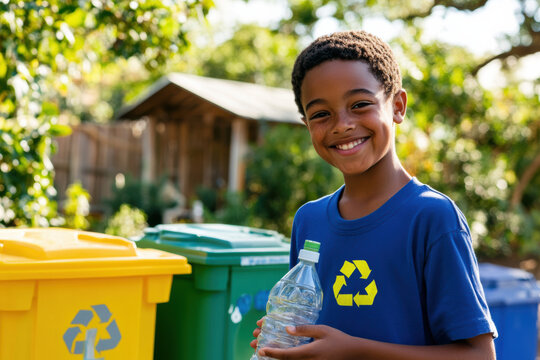
As environmental challenges continue to mount, the expansion of recycling initiatives—particularly those focused on polyethylene terephthalate (PET)—has become increasingly important. PET is widely used in packaging, especially for beverages, food containers, and personal care products. While its lightweight and durable nature makes it ideal for these applications, it also poses a significant waste management issue when not properly recycled. Expanding recycle PET programs offers numerous environmental, economic, and social benefits, making it a smart and responsible move for both industries and communities.
Reducing Environmental Impact
One of the most significant advantages of expanding PET recycling programs is the reduction in environmental harm. By collecting and reprocessing used PET, less plastic ends up in landfills, waterways, and natural ecosystems. This helps minimize pollution, reduces the risks to wildlife, and decreases the carbon footprint associated with plastic waste. Furthermore, recycled PET (rPET) production requires less energy compared to manufacturing new plastic from virgin resources, contributing to lower greenhouse gas emissions.
Conserving Resources
Recycling PET preserves valuable natural resources by reducing the need for raw petroleum-based materials. This not only helps mitigate the depletion of finite resources but also reduces the energy-intensive processes associated with extracting and refining those materials. By turning used PET products back into usable materials, we create a more sustainable loop where waste is viewed as a resource, not a burden.
Supporting Circular Economy Goals
Expanding PET recycling is central to the advancement of a circular economy—a model in which materials are kept in use for as long as possible, extracting maximum value before being recovered and regenerated. By promoting the use of rPET in new packaging and other products, companies can align with sustainability goals while reducing dependency on virgin plastics. This systemic change fosters innovation and long-term environmental resilience.
Driving Economic Value
PET recycling programs also deliver economic benefits. They create jobs in collection, sorting, processing, and manufacturing sectors. With the rising demand for sustainable products, there is growing market interest in high-quality recycled materials. Investing in PET recycling infrastructure can help tap into this demand, providing economic incentives for local governments, businesses, and entrepreneurs. Additionally, the cost of producing items from rPET is often lower than that of creating them from new plastic, offering savings over time.
Enhancing Brand and Consumer Engagement
Consumers today are increasingly eco-conscious, and brands that demonstrate commitment to sustainability often enjoy higher levels of trust and loyalty. By participating in or supporting expanded PET recycling initiatives, companies can strengthen their public image and meet consumer expectations. Recycled packaging and transparent sustainability efforts resonate well with modern audiences who value environmental responsibility in the products they buy.
Conclusion
The expansion of recycle PET programs holds the key to a more sustainable, efficient, and responsible future. From reducing environmental damage and conserving resources to stimulating economic activity and meeting evolving consumer values, the benefits are both wide-ranging and impactful. As industries and governments move toward greener practices, PET recycling will remain a crucial pillar of sustainable development.
