What makes aluminum wheels a superior choice for modern trucks?
When it comes to achieving both durability and performance, trucks benefit immensely from the right wheels. 24.5″ aluminum wheels stand out due to their combination of lightweight construction and exceptional strength. These wheels reduce the overall weight of the truck, improving acceleration, braking efficiency, and fuel economy. Beyond functional advantages, they also offer a refined appearance, giving trucks a professional, well-maintained look while supporting demanding operational requirements.
How does the weight of aluminum wheels affect truck efficiency?
Wheel weight directly influences a truck’s performance. Lighter wheels decrease unsprung mass, allowing the suspension system to react more effectively to road conditions. This translates into smoother handling, better ride comfort, and more precise steering. The reduction in rotational mass also contributes to fuel savings, making 24.5″ aluminum wheels an investment that offers both operational efficiency and environmental benefits. Over long distances, fleets and individual operators alike notice tangible improvements in fuel consumption and overall vehicle responsiveness.
Are aluminum wheels strong enough for heavy-duty applications?
Yes. Modern aluminum wheels are engineered to withstand high loads without compromising safety or performance. The alloys used in their construction distribute stress evenly, reducing the risk of bending or cracking. This structural integrity ensures that trucks can carry heavy cargo or handle long-haul conditions without worry. Additionally, aluminum’s resistance to corrosion and environmental wear enhances its durability, allowing vehicles to perform reliably in diverse climates and road conditions.
Do aluminum wheels contribute to improved braking performance?
Absolutely. Lighter wheels reduce rotational inertia, which allows brakes to respond more efficiently and dissipate heat effectively. Aluminum wheels also contribute to more stable handling under braking, particularly in fully loaded vehicles. This ensures consistent stopping power, reduces the risk of brake fade, and enhances overall vehicle safety. For fleet operators and individual drivers, these improvements can mean safer operations and increased driver confidence on the road.
Can aluminum wheels extend the life of tires and other components?
Yes. Aluminum wheels provide a precise and rigid mounting surface for tires, ensuring even tire contact with the road. This stability reduces uneven tire wear, extending tire life and maintaining traction over time. Furthermore, lighter wheels reduce stress on suspension components, minimizing wear and prolonging the lifespan of essential truck systems. These benefits translate to lower maintenance costs and fewer unscheduled repairs over the life of the vehicle.
How do aluminum wheels affect ride comfort?
Ride comfort improves significantly with lightweight aluminum wheels. Reduced unsprung mass allows the suspension to absorb road imperfections more effectively, resulting in smoother handling and less vibration. For truck drivers covering long distances, this translates into reduced fatigue, enhanced focus, and a more comfortable driving experience. The combination of comfort and performance is particularly valuable for commercial operators who rely on driver efficiency and wellbeing to maintain productivity.
Are aluminum wheels resistant to harsh weather conditions?
Yes, 24.5″ aluminum wheels are highly resistant to corrosion, rust, and environmental damage. Unlike steel wheels, which can weaken or deteriorate when exposed to road salt or moisture, aluminum maintains its structural integrity and appearance over time. This resistance to environmental stress ensures that trucks operate safely and reliably in a variety of climates, from freezing winters to coastal regions with high humidity. The durability of aluminum wheels provides peace of mind for drivers and fleet managers alike.
Do aluminum wheels improve handling and stability on the road?
Certainly. The reduced weight of aluminum wheels allows the suspension system to maintain consistent contact between tires and road surfaces. This improves steering precision, enhances cornering stability, and reduces body roll, even when trucks are fully loaded. Improved stability and handling make vehicles safer and more predictable under a wide range of driving conditions, from urban deliveries to long-haul trips on highways.
How do aluminum wheels impact fuel consumption over time?
The lighter weight of aluminum wheels reduces the energy required to accelerate and maintain speed. Over long distances, these reductions can result in significant fuel savings, making 24.5″ aluminum wheels a practical choice for cost-conscious fleet operators. Additionally, improved fuel efficiency reduces carbon emissions, providing environmental benefits while contributing to long-term operational sustainability.
Are aluminum wheels easy to maintain?
Yes, aluminum wheels are remarkably low-maintenance. Their natural resistance to corrosion eliminates the need for frequent protective treatments. Routine cleaning to remove dirt, brake dust, and road grime is sufficient to maintain their appearance and performance. This ease of maintenance saves time for operators and ensures that trucks remain visually appealing and operationally reliable over the long term.
Do aluminum wheels enhance vehicle aesthetics?
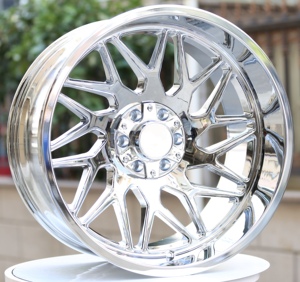
Yes, in addition to functional benefits, aluminum wheels provide a polished, modern appearance. They are available in multiple finishes, including polished, painted, and matte options, allowing drivers and fleet operators to match wheels to their vehicle’s overall design. The visual appeal of aluminum wheels adds a professional touch, which is particularly important for commercial vehicles representing a brand or company. A well-maintained truck with high-quality wheels can leave a strong impression on clients and customers.
How quickly can drivers notice the advantages of aluminum wheels?
The benefits of installing 24.5″ aluminum wheels are often noticeable immediately. Drivers report smoother handling, more responsive steering, and improved braking performance soon after installation. Over time, the cumulative benefits—such as reduced tire wear, improved fuel efficiency, and lower maintenance costs—become increasingly evident. These long-term gains make aluminum wheels a highly practical investment for both individual operators and fleet managers.
Are aluminum wheels versatile enough for different truck types?
Yes. Aluminum wheels are designed to accommodate a wide range of trucks, from medium-duty delivery vehicles to heavy-duty freight trucks. They come in various load ratings and specifications to meet the performance requirements of different applications. This versatility makes aluminum wheels a practical choice for operators who require consistent performance across a diverse fleet.
Do aluminum wheels contribute to safety?
Yes, lightweight and strong aluminum wheels enhance overall safety by improving vehicle stability, braking response, and handling. Their durability ensures that wheels maintain structural integrity under heavy loads, reducing the risk of failures or accidents. For fleet operators, these benefits translate into safer operation, lower liability risks, and increased confidence in vehicle reliability.
Can aluminum wheels affect resale value?
Yes, upgrading to 24.5″ aluminum wheels can positively impact resale value. Potential buyers often recognize aluminum wheels as a sign of modern, well-maintained equipment. Their durability, fuel efficiency, and aesthetic appeal make vehicles more attractive on the market, potentially increasing resale prices and improving the overall return on investment.
How do aluminum wheels influence long-term operational costs?
Aluminum wheels contribute to long-term savings through multiple channels: reduced fuel consumption, extended tire life, decreased wear on suspension components, and minimal maintenance requirements. For fleet operators, these savings accumulate over time, making aluminum wheels a cost-effective and strategic choice. Their combination of performance, durability, and efficiency ensures a high return on investment.
Are aluminum wheels environmentally responsible?
Indirectly, yes. Lighter wheels improve fuel economy, reducing emissions during operation. Additionally, aluminum is highly recyclable, allowing manufacturers to create new wheels from recycled materials without compromising strength or quality. Trucks equipped with aluminum wheels can therefore achieve better environmental performance while maintaining high levels of efficiency and reliability.
Conclusion
24.5″ aluminum wheels offer a compelling combination of lightweight construction, structural strength, and corrosion resistance, making them an ideal choice for trucks seeking exceptional performance. They enhance fuel efficiency, improve braking and handling, and extend the lifespan of tires and suspension components. Aluminum wheels provide smoother ride comfort, resist environmental wear, and maintain a polished appearance, benefiting both drivers and fleet operators. Beyond functional advantages, aluminum wheels also enhance vehicle aesthetics and can positively influence resale value. For anyone aiming to maximize performance, reliability, and operational efficiency, investing in high-quality aluminum wheels is a decision that delivers measurable benefits and long-term satisfaction.